What Is Partially Hydrolyzed Guar Gum (PHGG)? Benefits and Uses
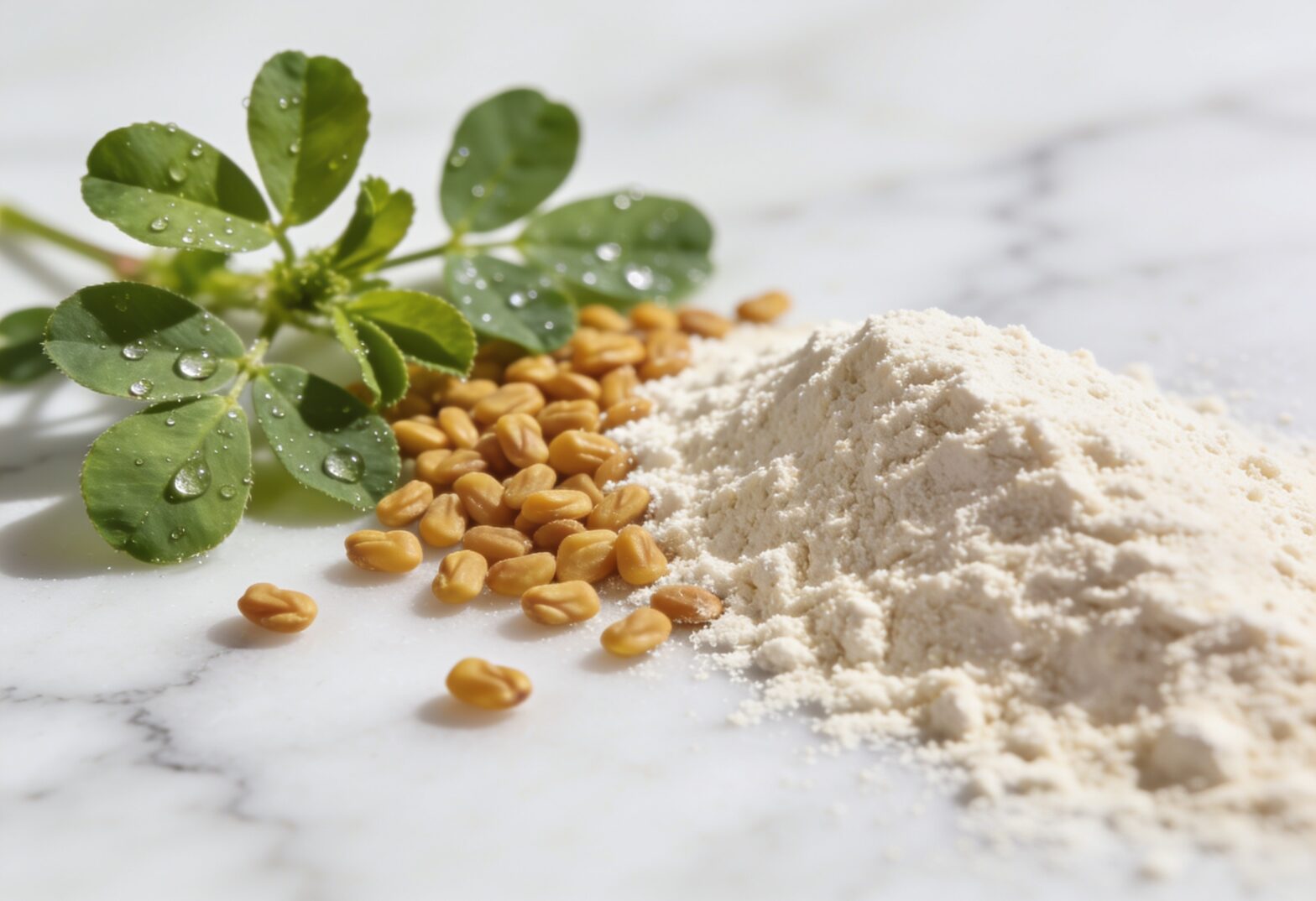
Partially hydrolyzed guar gum (PHGG) is a water-soluble dietary fiber produced through the controlled enzymatic hydrolysis of guar gum, a galactomannan polysaccharide extracted from the endosperm of the guar bean (Cyamopsis tetragonolobus).
The hydrolysis process uses a microbial endo-β-D-mannanase derived from Aspergillus niger to cleave the long mannose backbone into shorter chains, yielding a low-viscosity, plant-based polysaccharide that dissolves completely in liquids without altering taste, colour or texture.
TL;DR
- Partially hydrolyzed guar gum is an enzymatically processed, water-soluble dietary fiber obtained from the seeds of the guar bean (Cyamopsis tetragonolobus).
- It retains the prebiotic benefits of native guar gum such as promoting beneficial gut bacteria and short-chain fatty acid (SCFA) production while offering low viscosity that dissolves easily in foods and beverages.
- Evidence supports its use for bowel regularity, IBS symptom relief, blood sugar modulation, and cholesterol management at doses of 5–15 g per day.
- However, PHGG may worsen colonic inflammation in individuals with inflammatory bowel disease (IBD) and can interfere with certain medications.
- Always introduce PHGG gradually and consult a healthcare professional if you have an existing digestive condition.
PHGG and Its Relationship to Guar Gum
PHGG is a low-viscosity galactomannan produced from guar endosperm through controlled enzymatic hydrolysis. While native guar gum is prized as a high-viscosity food thickener and stabilising agent, its thick gel-forming properties limit use in beverages and liquid supplements.
Enzymatically hydrolyzed guar gum solves this by breaking down the polysaccharide into smaller molecular-weight fragments dramatically reducing viscosity from roughly 2,000–3,000 mPa·s (1% guar solution) to about 10 mPa·s (5% PHGG solution) while retaining the dietary fibre properties essential for human health.
PHGG holds Generally Recognized As Safe (GRAS) status from the U.S. Food and Drug Administration (FDA) and meets the FDA’s definition of dietary fiber. It is also approved for food use across the European Union, making it suitable for a wide range of food and beverage applications, dietary supplements, and clinical nutrition products such as enteral feeding formulas. As a plant-based prebiotic fiber, PHGG complements the broader guar hydrocolloid portfolio, filling the low-viscosity niche where native guar gum cannot perform.
Guar Gum, Guar Bean and Fiber Types
The guar bean is the source of guar gum, a soluble dietary fiber hydrocolloid used across food, pharmaceutical, pet-food, and technical industries. In nutritional terms, guar gum is classified as a soluble fiber distinct from insoluble fiber (such as cellulose), which adds bulk and speeds transit through the digestive tract. PHGG retains the galactomannan backbone of guar gum but with shorter chains and markedly lower viscosity, enabling it to dissolve easily in water and remain stable against heat, acid, and digestive enzymes. This makes PHGG uniquely suitable for beverage applications and supplement formulations where high-viscosity guar systems would be impractical.
How PHGG Works in the Digestive System (Prebiotic Mechanisms)
PHGG passes through the upper gastrointestinal tract undigested and reaches the colon, where it is fermented by beneficial bacteria. This colonic fermentation produces short-chain fatty acids (SCFAs) primarily butyrate, acetate, and propionate that serve as an energy source for colonocytes and play critical roles in maintaining intestinal barrier integrity.
SCFAs also modulate the balance between inflammatory and anti-inflammatory cytokines within the gut, helping regulate the immune response in the digestive tract. By shifting the gut microbiota composition toward beneficial bacteria including increases in Bifidobacteria and Lactobacillus levels PHGG supplementation supports a healthier gut microbiome.
This prebiotic mechanism underlies many of PHGG’s observed benefits for digestive health, bowel regulation, and tolerance in irritable bowel syndrome (IBS) patients, and makes it a valuable functional ingredient for both food and clinical applications.
Soluble vs Insoluble Fiber and PHGG’s Low Viscosity
Soluble fibers like PHGG and intact guar gum dissolve in water and are fermented in the colon, whereas insoluble fibers (e.g., cellulose, wheat bran) add faecal bulk and accelerate transit. What distinguishes PHGG from other soluble fibers is its exceptionally low viscosity and non-gelling nature. Unlike native guar gum, PHGG does not form a thick gel, so it dissolves completely in beverages, enteral feeding formulas, and functional foods without changing their texture. Its resistance to heat and acid makes it ideal for food processing, and it complements high-viscosity guar systems in multi-function formulations that require both texture and fibre enrichment.
Evidence-Based PHGG Benefits for Gut and Metabolic Health
Research spanning over 100 clinical studies has linked PHGG supplementation to many health benefits across digestive and metabolic domains. The key areas of evidence include bowel regularity, IBS symptom management, blood glucose and cholesterol modulation, and weight management.
Outcomes often depend on dose, duration, and the individual’s baseline gut microbiota composition. Importantly, recent research has also produced conflicting results regarding the impact of refined dietary fibers including PHGG on intestinal health during ongoing inflammation, which is discussed in the risks section below.
| Benefit Category | Evidence Strength | Typical Dose |
| Bowel regularity & stool normalisation | Strong (systematic reviews, RCTs) | 5–10 g/day |
| IBS symptom relief (bloating, gas) | Moderate–Strong (double-blind RCTs) | 6–12 g/day |
| Blood glucose & cholesterol | Moderate (controlled trials) | 5–15 g/day |
| Weight management / satiety | Moderate (human trials) | 5–10 g/day |
| Skin, sleep, cognition | Emerging (exploratory data) | 3–5 g/day |
Digestive Health, IBS and Bowel Regularity
PHGG normalises bowel movements by regulating the speed at which food moves through the digestive tract, making it effective for both constipation and diarrhoea. A systematic review and meta-analysis found that a daily dosage of 5–7 g of PHGG is sufficient to prevent constipation.
In a randomised, double-blind, placebo-controlled trial, 6 g/day of PHGG significantly improved bloating and gas scores in IBS patients over 12 weeks of treatment.
PHGG is also used in clinical nutrition and enteral feeding formulas to support digestive health in hospitalised patients. A gradual introduction of small doses helps minimise temporary excess gas and abdominal discomfort.
Blood Sugar, Cholesterol and Weight Management
As a soluble fiber, PHGG slows gastric emptying and modulates post-meal blood glucose levels, reducing glycaemic spikes. It also binds to bile acids in the digestive tract, promoting their excretion and thereby lowering serum cholesterol levels. Consumption of PHGG may also increase feelings of satiety, potentially helping with weight management and calorie control. These properties make PHGG a versatile functional ingredient for dairy, beverage, bakery, and nutraceutical applications targeting metabolic health.
Other Emerging Areas (Skin, Brain, Immunity)
Preliminary human and animal data suggest that PHGG supplementation may offer benefits beyond the gut, including improved skin hydration, reduced liver fat, and enhanced sleep quality and cognitive motivation. These findings are exploratory, and further placebo-controlled clinical trials are needed before PHGG can be positioned for claims beyond digestive and metabolic health.
Risks, Side Effects and When PHGG May Be Harmful
PHGG is generally well tolerated at recommended doses. Its main side effects are mild and temporary: abdominal gas, bloating, or cramping typically triggered by rapid dose escalation or high intake. However, consuming PHGG without adequate water can lead to choking or intestinal blockage, particularly at high doses. These gastrointestinal effects should be clearly communicated in product dosing instructions.
Critically, a 2025 study published in npj Science of Food found that mice fed PHGG exhibited more severe DSS-induced colitis than controls, along with increased expression of pro-inflammatory cytokines (IL-6, IL-1β) and cell proliferation markers.
PHGG-fed mice in the AOM/DSS model also developed extensive colon tumours, whereas control mice exhibited none in a dose-dependent manner. These findings suggest that PHGG may exacerbate colonic inflammation and promote tumorigenesis in individuals with inflammatory bowel disease (IBD), highlighting the need for caution and clinician oversight in this population.
Drug Interactions and Sensitive Groups
PHGG can interfere with the absorption of certain medications, including Metformin, Penicillin, and Digoxin. Patients taking these drugs should space their PHGG intake at least two hours from medication doses. Individuals with IBS, diabetes, renal impairment, or those on multiple medications should use PHGG only under clinician oversight.
Children, pregnant women, and elderly individuals should seek professional guidance before starting PHGG supplementation. Effective study doses typically range from 5 to 15 g per day, with the recommended daily intake for constipation prevention being 5–7 g.
Choosing a Partially Hydrolyzed Guar Gum Supplier or Supplement
Whether you are a food formulator looking for a PHGG manufacturer or a consumer searching for a partially hydrolyzed guar gum supplement, several factors determine product quality and efficacy.
For manufacturers and formulators: Evaluate suppliers on molecular weight and viscosity specifications, microbiological purity, contaminant testing (heavy metals, pesticide residues), and quality management systems (ISO, FSSC 22000).
Confirm GRAS and dietary fiber status for your target market, and request Certificates of Analysis (CoA), Technical Data Sheets (TDS), and application support. A high soluble dietary fiber content up to 85% by AOAC method indicates a premium-grade PHGG ingredient suitable for functional foods and dietary supplements.
For supplement buyers: Choose products with transparent dosing instructions (typically 5–10 g per serving), minimal additives, and third-party testing. Look for PHGG that dissolves easily in water without clumping or gelling. Reputable PHGG supplements clearly state the fibre content per serving and recommend gradual dose introduction to minimise gastrointestinal discomfort.
Key Takeaways on PHGG for Guar-Focused Formulators
Partially hydrolyzed guar gum is a low-viscosity, plant-based prebiotic fiber derived from the guar bean that offers well-documented digestive and metabolic health benefits alongside meaningful gastrointestinal risks that demand careful product design. It complements high-viscosity guar gum in formulator portfolios, delivering fibre enrichment without altering the texture of finished products. Dose titration, adequate hydration guidance, and clear IBD caution statements are essential for responsible product labelling. As research continues particularly around inflammation and colon health formulators should integrate PHGG thoughtfully, guided by the latest clinical evidence and applicable food-safety regulations.